- December 13, 2025

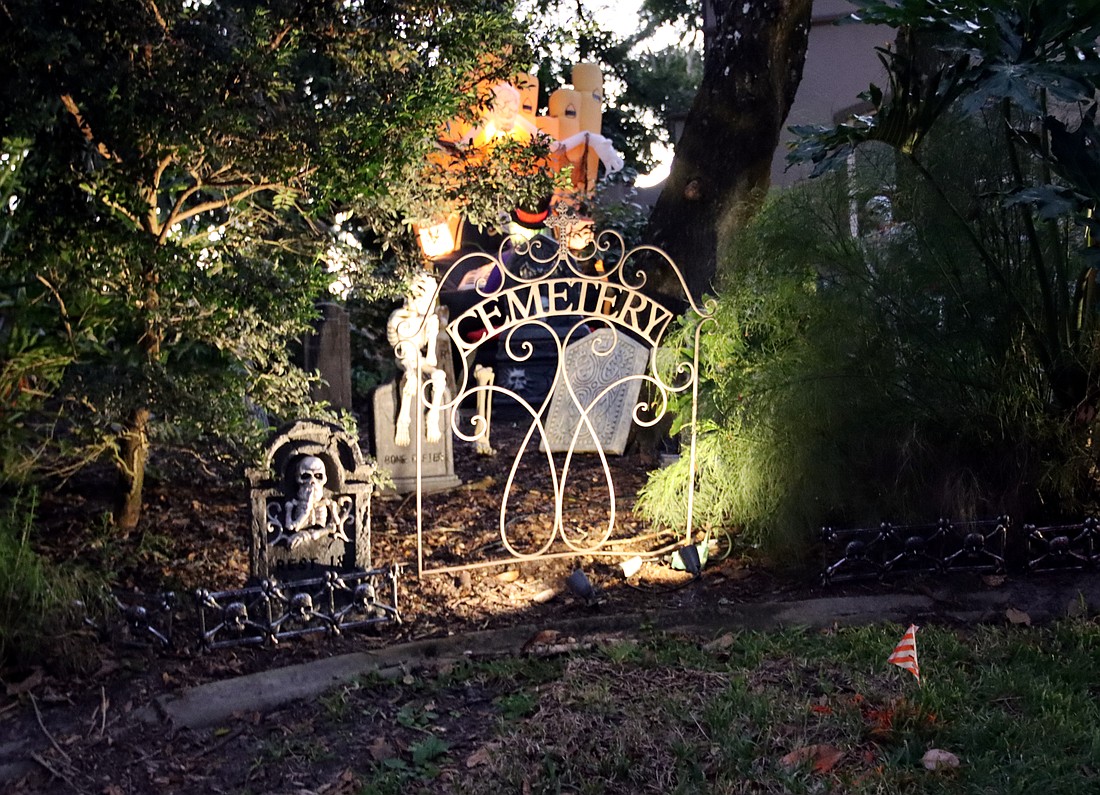
Halloween is not an official federal holiday in the United States. It is a cultural holiday celebrated annually on Oct. 31, and is especially popular among children. Halloween is a day of widespread observance throughout the nation where activities such as carving jack-o’-lanterns (pumpkins), costume parties, decorating homes and businesses with festive and spooky items and trick-or- treating are traditions enjoyed by the masses. The Halloween holiday season prompts some of the largest national sales of candy due to purchases for trick-or-treaters.
The modern Halloween holiday evolved from the ancient Celtic pagan festival of Samhain, which marked a pivotal point in the agricultural year, and has been traced back over 2,000 years. It originated in Europe, specifically in the area that is now Ireland, the United Kingdom and northern France.
The festival of Samhain celebrated the Celtic New Year and was observed on or around Nov. 1. It marked the end of harvest season (the lighter part of the year) and the beginning of winter (the darker part of the year), which is the time that Celts believed the boundary between the physical and spirit worlds could be breached allowing spirits to cross over. Included in the ancient celebrations were the honoring of family ancestors, preparing food for the living and the dead, dressing in costumes and wearing masks in an attempt to confuse and chase harmful spirits away, lighting communal bonfires to burn the bones of slaughtered livestock and the ritual of animal sacrifice.
In the 8th century, the Catholic Church led by Pope Gregory III gave rise to modern Halloween by creating a vigil on All Hallows’ Eve (a day of fasting and praying celebrated on Oct. 31 in preparation for All Saints’ Day). All Saints’ Day is a feast celebrated on Nov. 1 which honors all the saints of the church, whether they are known or unknown.
The name “Halloween” is an Old English term that evolved from “All Hallows’ Eve.” It was blended from ancient Celtic traditions and later Christian influences.
As Irish and other Catholic immigrants found their way to the United States (particularly during the 19th century), they brought their customs and traditions, including the Catholic celebration of Halloween. By the 1920s and 1930s Halloween was adopted into the culture of the nation as a community-centered holiday which features black cats, parades, parties, playing mischievous pranks, skeletons, trick-or-treating (which originated from the ancient Celtic practice of leaving food for spirits and evolved into the modern practice of groups of people dressed in costumes going door-to-door expecting treats to be handed out), and supernatural entities such as ghosts, the Grim Reaper, vampires, witches and zombies.
Over the past several generations, modern Halloween traditions have expanded to include watching horror movies and visiting creepy attractions like corn mazes, eerie cemeteries, haunted houses and spooky trails which are all designed to scare and thrill.
In addition to the classic modern Halloween activities Florida has several unique activities including pineapple-o’-lanterns (carved pineapples), tropical-themed costumes and wildlife-inspired scenery displays which often include alligators and flamingos, two of the state’s most recognized animals.
Large theme parks host events including Mickey’s Not-So-Scary Halloween Party at Walt Disney World’s Magic Kingdom which features parades, special events and trick-or-treat trails. Halloween Horror Nights at Universal Orlando Resort which features multiple haunted houses and scare zones. Howl-O-Scream at SeaWorld Orlando and Busch Gardens Tampa Bay which features haunted houses, live shows, rides and scare zones.
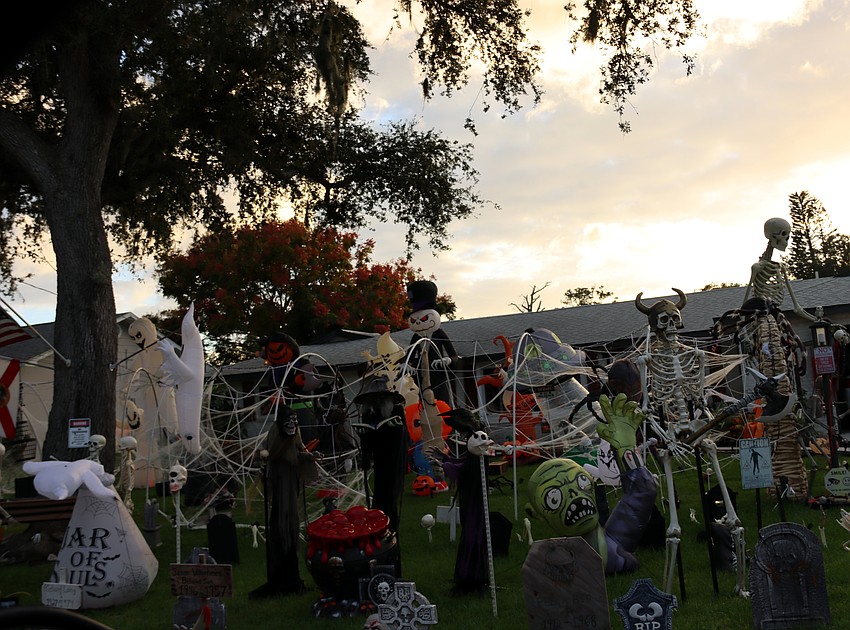
Additional interesting Halloween events around the state include: Halloween at Boo Spring “Moonlight, Monsters, and Memories in the Making” at Blue Springs State Park which features a haunted trail, guided moonlight hikes, a haunted boat tour and a haunted park-after-dark event. Florida’s Brick-or-Treat at Legoland features trick-or-treating, themed shows and character meet-and-greets.
Screamin’ Green Hauntoween at Crayola Experience Orlando features a themed scavenger hunt, Halloween crafts, trick-or-treat stations and photo-ops. Gators, Ghosts and Goblins Halloween at Gatorland features interactive characters, animal meet-and-greets, photo ops, and a children’s Halloween costume parade. Sir Henry’s Haunted Trail at Palm City features three haunted trails, a haunted hayride, and two escape games.
The Palm Coast Fire Department’s Fire Station 21 hosts an annual haunted house event called “Hall of Terror” which features terrifying rooms inspired by horror films. The Hidden Trails Halloween Fest at the Hidden Trails Community Center in Bunnell is hosted by Flagler County Government and features carnival games, food, drinks, a DJ and a costume party for children.
Halloween events in Ormond Beach include the Trunk or Treat at Prince of Peace Parish where children dressed in costumes walk from parked car to car to receive Halloween treats, unique Ghost Stories at The Casements which include a tale of ghost hauntings on the mansion’s third floor, and the Tanger Outlets Halloween Party which features costume contests, crafts, giveaways, musical entertainment and trick-or-treating at various stores.
“When black cats prowl and pumpkins gleam, may luck be yours on Halloween.”
Randy Jaye has recently researched and nominated five properties that have been successfully added onto the National Register of Historic Places, and is the author of five history books. He also writes articles for historical journals, local newspapers, magazines, online publications, and has appeared on several radio shows and PBS documentaries. He earned both a master’s degree and a bachelor’s degree from California State University.